
Self esteem is an essential part of our well-being.
The mental health charity Mind defines self esteem as being ‘how we value and perceive ourselves’, and says it’s based on ‘our opinions and beliefs about ourselves’.
If we view ourselves negatively, this can lead to low self esteem.
This might include disliking or hating ourselves, feeling hopeless or worthless, or blaming ourselves for things we can’t control.
Low self esteem can also have an impact on our overall mental health, contributing to conditions such as depression or anxiety. At the same time, having a mental health condition can lead to low self esteem, as they often come hand in hand.
Causes of low self esteem vary, but may include:
- Worries about appearance or body image
- Bullying, abuse, or experiencing prejudice discrimination
- Having problems at work, while studying, or struggling to find employment
- Problems with money
- Relationship or family problems
While there isn’t an easy ‘one step cures all’ for low self esteem, it can be improved through actions over time.
Among other things, Mind recommends:
- Getting to know yourself
- Challenging unkind thoughts about yourself
- Avoiding comparing yourself to others
- Celebrating your successes
- Accepting compliments
- Talking to someone you can trust
Research suggests that physical therapies, such as regular massage, can also help to improve self image and self esteem.
Massage helps to alleviate physical symptoms which may cause discomfort, helps to reduce stress and anxiety, and gives us time to relax and be present in our bodies, paying attention to physical sensation.
In a 2010 study, Field notes that ‘massage is one of the most effective forms of touch’, and it is ‘increasingly used for…problems including job stress, depression, autoimmune conditions like asthma, dermatitis and diabetes and immune conditions’.
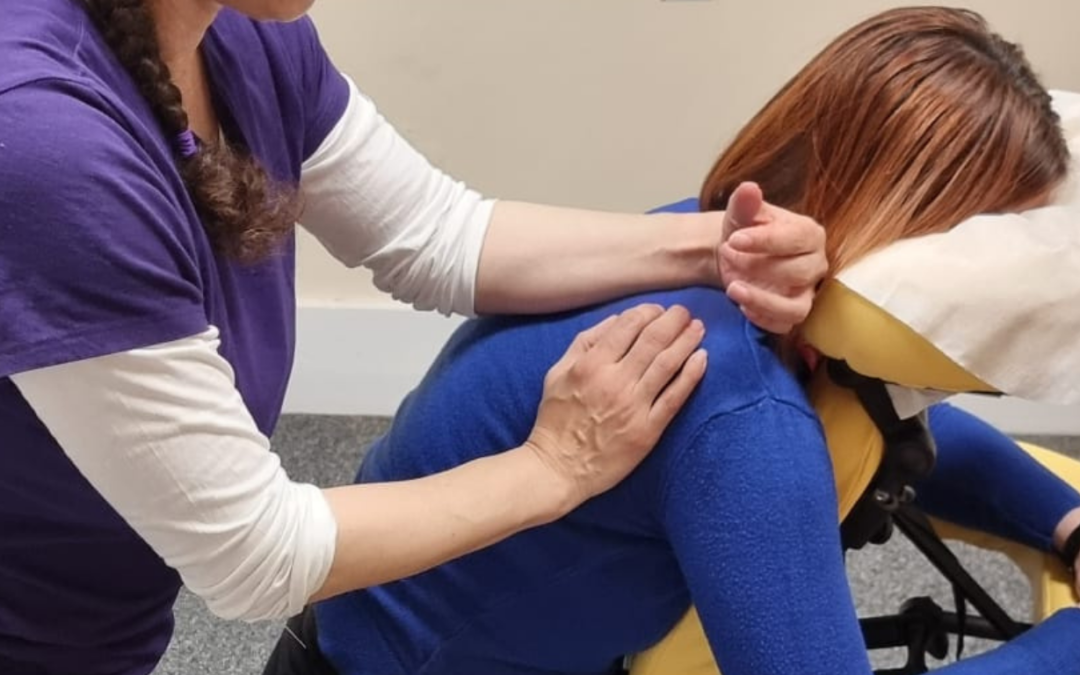
Touch, through massage, including Acupressure Massage helps to foster a stronger mind-body connection, reducing anxiety and stress, and promoting a more positive self-image. Massage triggers the release of endorphins (feel-good hormone) and reduces cortisol (related to stress), encouraging relaxation and emotional balance, which can lead to an increase in confidence and self-esteem.
In a different study which took place in 2007, Sharpe et al compared the effects of guided relaxation and massage on the physical and emotional well-being of 49 American adults, split into two groups.
The study found ‘significant improvements on almost all outcome measures for the massage group, compared with the guided relaxation group’. These included ‘anxiety, depression, vitality, general health, positive well-being and perceived stress’, leading the authors to conclude that ‘massage enhances well-being and reduces the perception of stress’.
And while every massage you have can boost your well-being, including your self esteem, receiving massages more regularly offers cumulative benefits.
This means that the more regular sessions you have, the further health improvements you could see – including to your self esteem.
Additionally, regular workplace massage can:
- Reduce stress levels
- Reduce the risk of strain
- Improve resilience to stress
- Support psychological and emotional well-being
- Increase motivation and morale
- Boost productivity
Essential Vitality introduced massage into the workplace 20 years ago with our main intention of bringing the benefits of massage into the workplace to increase the accessibility and availability of massage, and to help reduce stress. Believing that this service would be of value to both employees and businesses.
We have found that, as well as the massage itself boosting self-esteem in individuals, employers who take on our services experience a boost in morale, as people feel rewarded and valued by their employer.
To schedule regular, self esteem-boosting massage sessions for your team, contact info@essentialvitality.co.uk or visit www.essentialvitality.co.uk to find out more.
Further reading
https://www.sciencedirect.com/science/article/abs/pii/S0273229711000025
https://www.massagetraining.co.uk/files/emotional-and-psychological-issues-in-massage.pdf

